All table spaces for Kickstart 3 in June, the greatest Amiga BBQ in history, have now sold out. Non-table tickets are still available which gives you access to everything inc. the BBQ.
All table spaces for Kickstart 3 in June, the greatest Amiga BBQ in history, have now sold out. Non-table tickets are still available which gives you access to everything inc. the BBQ.
Demand for our June meet, which will also be our summer BBQ, is very strong. So much so that we are two monts away from the big day and we have just one table place left (plus non-table tickets). If you want to come down for a day of good food and unrivalled Amiga fun, grab your place now.
Table Ticket for Kickstart June 2024 Meet
Non-Table Ticket for Kickstart June 2024 Meet

We are excited to welcome RetroPassion, who will be with us for the June meet and bringing a variety of their Amiga products for sale. There will be special deals on offer for attendees, and its a great chance to get in touch witht them beforehand to make sure they bring the item or items you are after.
RetroPassion recently began stocking a wide range of the highly desired products from Individual Computing (saving you the pain of customs duties and long delays when ordering directly), including the Indivision AGA Mk3 Scandoubler, ACA accelerators and much more. Visit their web site for more details of everything they offer, including their recapping services (which all of my Amigas have benefitted from).
Our last all-day meet of 2024 is now confirmed for Sunday September 29th 2024 at our regular venue in Ottershaw. We are also looking at arranging a Christmas meal in early December, possibly at the Miller and Carter opposite the hall, but in terms of an all day Amiga session, this will be the last of the year. We’ll be holding 3-4 meets in 2025, so don’t worry, we are not going anywhere.
As it’s the end of summer, we are going to have a pizza party for lunch to celebrate.
As always, we only have a limited number of tables (though we have recently bought more tables to take us to maximum capacity at the hall), so book early to avoid disappointment.
Continue reading Kickstart June 2024 BBQ Meet: One Table Left!
Take-up for places at Kickstart 3, our 2024 BBQ meet on Saturday, June 22nd 2024 has been extremely positive. As always, thank you for your support, its always appreciated. It does mean that at the time of writing, we only have three tables left. We’ve managed to expand a little by adding some additional tables onto the stage area (and without those we would already be sold out), but even one of those has already sold, with only three remaining.
Non-table tickets, which we offer at a small discount to the table ticket price, are still available and get you access to everything (including the BBQ) except a table to put a computer on.
Table Ticket for K3: The Kickstart Amiga Group June Meet
Non-Table Ticket for K3: The Kickstart Amiga Group June Meet
It’s already shaping up to be a cracking meet, with RetroPassion coming down for the day and offering special discounts for attendees, as well as user groups from across the UK joining us for some Amiga fun and a burger or two.
Continue reading Only Three Table Places Left for Kickstart 3: The Kickstart Amiga Group June BBQ Meet
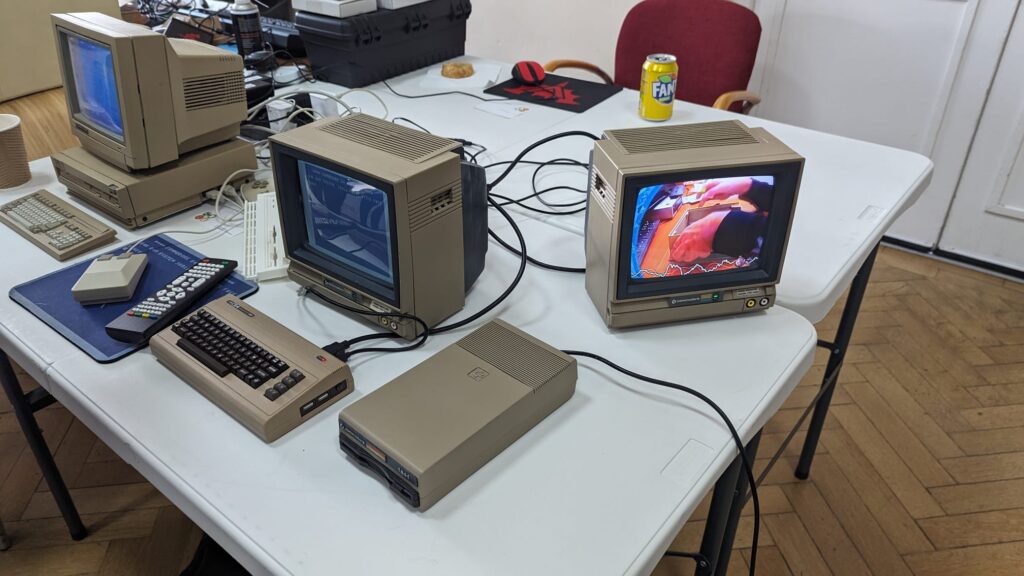
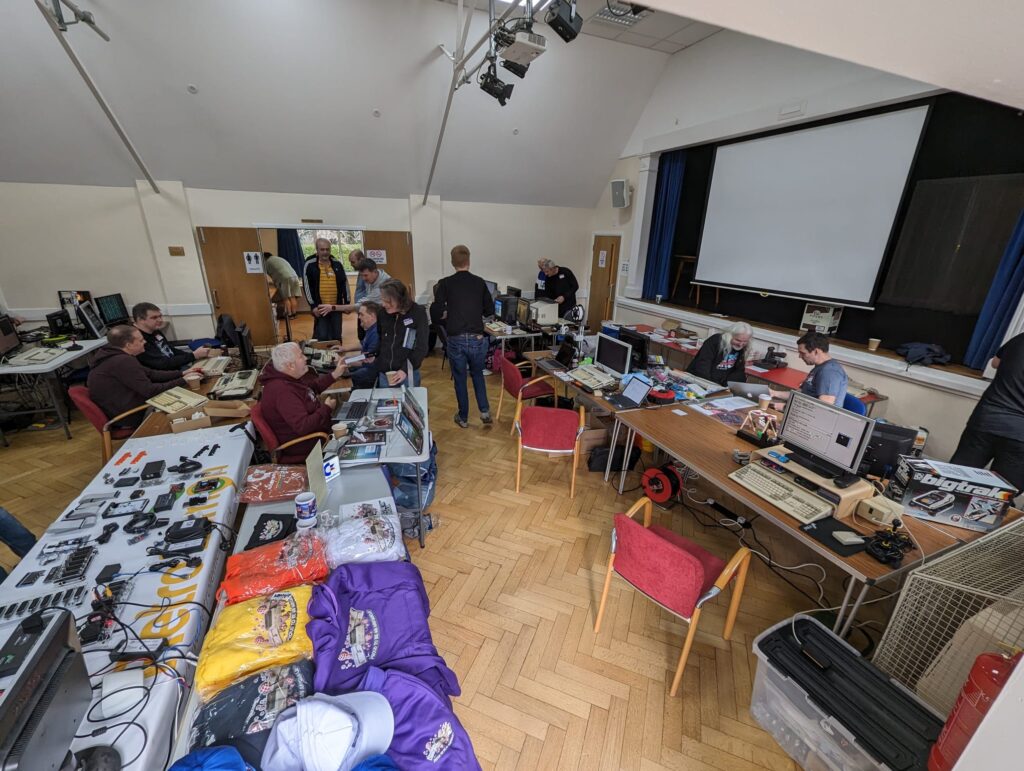
Kickstart 2 was a huge success, with 25% more people than October joining us for a day of all things Amiga. Everyone I’ve spoken too so far had a great time, and we are well on our way towards another sell-out meet in June.
We’ve got a few pics below from the event – more can be found over on our Facebook group and our Discord channel. YouTube creator Chris Thomas, also known as Retronaut, paid us a visit and filmed the meet. His video is now on his channel and I encourage you to go and have a look (click below), like and subscribe.
It’s the final week, and we are all looking forward to descending on Ottershaw Village Hall for a full day of Amiga fun.
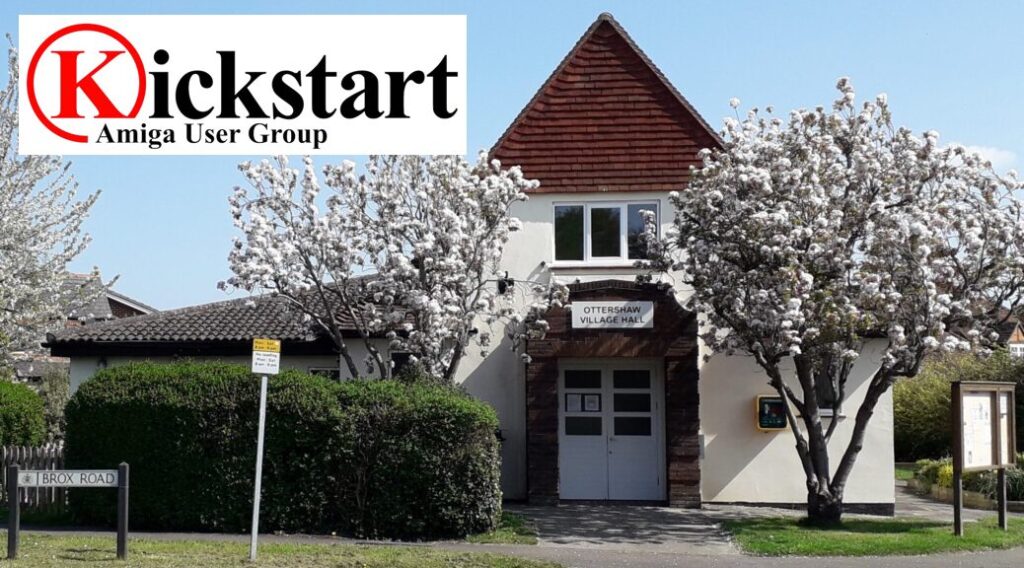
As it’s the final week, most things are locked down. Kickstart is the hottest ticket in town! We’ve sold out of tables and the table plan is now fixed for Sunday. There’s a couple of no-table tickets that I will leave live on the ticket page, just in case. We’ve ordered all the catering, Everything should be all set.
What to Bring: If you have a table ticket, there will be a table, a chair and access to power waiting for you – all you need to do is bring your gear! This simple list will help ensure you don’t forget the essentials:
Kickstart 2 – our second meet of the new era – is once again a table sell-out. We also sold out of no-table spaces, but have managed to squeeze a couple more in after previous attendees contacted us about going, so grab them while you can – we will be at maximum capacity after this.
Ticket sales for Kickstart 2 close on Saturday 10th February 2024 – we have to lock it down a week before so we can order the right amount of catering and other shopping.
The all-important logistics email will be going out to attendees and guests in the next 24 hours. This will tell you everything you need to know about the day: What’s happening, how to get to the venue, where to park etc. If you still have any questions after that, please get in touch and we will be happy to help.
And don’t forget – if you can’t make it to Kickstart 2, tickets for Kickstart 3 – the big Amiga BBQ – on Saturday 22nd June 2024 are on sale now.
We are a little over two weeks away from the big day and there’s just one table ticket left for Kickstart’s February all-day Amigafest!
A Table Ticket includes all-day access to the meet, sandwich lunch, snacks and soft drinks/water/tea and coffee, a reserved chair and 4ft wide x 27 inch deep table space.
Non-Table Tickets include all of the above, except the table!
https://kickstartamigagroup.sumupstore.com/category/kickstart-amiga-group-events
Time has flown by and as I write this, we are just a month away from Kickstart 2, the next Kickstart Amiga Group meet. There are some new announcements below about the February meet around our special guests. I will be emailing out and posting the final update with all the logistics info two weeks before the meet.
The big thing to say is that we have just two table spaces left for Kickstart 2 in February, so if you are not already in, time has almost run out!
David Pleasance

David Pleasance, Commodore’s former UK MD, will be joining us at the February meet. We’ll be having a chat with David on the stage after lunch and he will have his latest book available for sale and signing, as well as his previous books. David will also be bringing a range of Commodore merchandise for sale as well.
Jakub Kosiec from Retro Lemon

Also joining us will be Jakub Kosiec, who sells a wide range of Amiga and other system upgrades via his company Retro Lemon. Jakub will be bringing a range of Amiga add-ons for sale, along with some of his Medusa retro scandoubler boxes and Hydra SCART switches. However, if there’s anything in particular you want from his range for your Amiga, Atari, Sinclair or Commodore machine and you want to save some postage, please drop Jakub a line at info@retrolemon.co.uk and he’ll bring it with him on the day.
Continue reading One Month Until Our Kickstart 2 Meet
Here’s hoping your 2023 ended well, and wishing you nothing but the best for 2024.
2024 is going to be the first of two big years for the Amiga community. The growth and resurgence of the user group community, large scale events, as well as the creation of a multitude of game-changing hardware and software solutions for our machines is set to make this year a milestone for bringing even more Amigas out of the loft and back into regular use. Kickstart has at least three events planned so far for 2024 (two already announced), details below:
Continue reading It’s 2024 – Time For Some More Amiga Meetups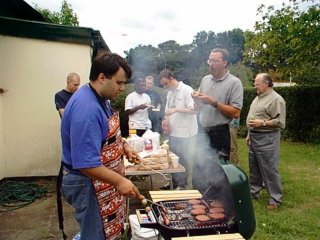
One of the things we really wanted to get in the diary for 2024 was a barbecue. The annual barbecue was a mainstay of the Kickstart Amiga Group annual diary, providing a great social environment as well as the fun of a regular meet.
We are pleased to confirm that we have booked Saturday 22nd June 2024 for the Barbecue meet. Ticket price includes the barbecue and tickets are on sale now, along with a few remaining tickets for our February 2024 meet: